how many kw to run a house australia
Prices vary across regions and underground tanks cost more. The average Australian household heating and cooling bill amounts to approximately 40 of the total energy bill 1.

Smart Living What Is A 9 Star House Made Of Reneweconomy
In most households refrigeration.

. A medium-sized room of 20-40m 2 would cost roughly between 46 and 215 a year while in larger areas 40-60m 2 it will add about 64 to 300 in annual electricity costs. To calculate what size generator you need to power your whole home follow these 3 steps. The power consumption for each light we worked out earlier to be 167 amps.
If your generator is powered by propane you need a propane storage tank. So to calculate the power consumption we multiply 5 amps by 4. Consisting of 959KWh T11 electric oven 2 x fridges dryer and nightly use of 3 x Broom acs for approx.
Single phase connection most homes. How to buy the best solar battery storage Terminology. You use three 20 watt 12 volt lights for about four hours each night.
Converting kVA to kW. Once youve identified the watt consumption per device youll need to calculate total kWh for each device by taking the hourly watt consumption multiplied by total hours of use. The average energy usage in Texas is 1132 kWhmonth.
Up to 5 kilowatts 5kW or sometimes listed as 5kVA. Most modern homes today are equipped with latest electrical appliances for daily chores and. But youd be export limited to 5 kW.
The average electricity bill in Texas is 14490. 2900kWh divided by 12 months. 3 phase properties can be approved for up to a 30kW system.
30kWh of usable battery storage capacity. In terms of system sizing battery sizes are expressed as kilowatt-hours or kWh. A unit used to quantify the rate of energy.
250-gallon tanks are 500 to 1500. An average Australian house consumes electricity amounting to 18 KiloWatt KW per day or 6570 KW per hour. So simple math would dictate that the average Aussie would need about 11kWh of solar battery storage to.
Unshaded north-facing 10kW solar system. Profile Class 2 kW Low - 1800. As a general rule and as per the new ASNSZ 4777 standard most networks will allow system sizes as per the below.
The average retail price of electricity is 128 centskWh. Most generators can provide 100 overload for start up purposes. Calculate what size generator you need in 3 simple steps.
60kWh 15 hours a week Electric. As the hardware is more expensive and you may need more solar and battery capacity than you think to run the house for a few hours during a blackout. 3 days of energy independence storm blackout protection in the graph below 40kWh of battery storage.
In essence most networks will have some kind of pre. 500-gallon tanks are 1000 to 2500. Watt W and kilowatt kW.
Cooking refrigeration and other appliances usually make up the remainder of your energy consumption. How much electricity does an Australian Home use depends on a large number of factors that wed be discussing at large in this post. Natural gas generators are connected to your homes gas feed so.
A 25 kW system running for 4 hours a day would costs approx. Up to 30kW 30kVA. 4 days of energy independence.
17280 winter power usage 540kWh x usage rate 032kWh. Heres an idea of what appliances you can run on a 3kWh Solar System. 150 to 190kWh Dishwasher.
So for three lights we calculate a current draw of 5 amps. From this we can work out that in a house with medium electricity use the average monthly electricity use is about 242kWh. 220kWh considering 48 weeks and 5 weekly washes Coffee Machine.
A 35 kW system running for 8 hours a day for 12 weeks 84 days of the year at 24 degrees will cost appox. For example if a device uses 300 watts per hour and you run it for 5 hours a day multiplying both numbers will give you 1500 watt-hours or 15 kWh per day. 130 nights a year and daytime livingroom ac use for around 60 days year.
Multiply the amps by the hours and you get the result of 12 amp-hours per day. Determine the starting and running wattage of everything on your list. What are the size limits.
10kWh daily electricity consumption assumes heating cooling are done using non-electric means Mostly daytime usage. Typically 2000 to 4000. 4011 per year to run or 4775 cents a day or 119c per hour.
List out every appliance you want to power. A ducted whole-house reverse cycle air conditioning system is again the biggest money pit at 196 817 a year to run. You switch to the cheapest energy retailer offering 026kWh.
Keep in mind these annual costs will vary. A 1 Hp electric motor therefore will require 3-4kVA for start up. Add to that radiant heating electric underfloor heating heat lamps and heated towel rails and your electricity bill can easily skyrocket.
Meaning if you have a single-phase home in SA you could have up to 133 kW of solar panels on your roof with a 10 kW inverter. A typical Australian home uses 1520kWh per day. 841 kwh of T33 electric HWS pool pump Chlorinator.
Remember you can oversize an inverter by 33. All consumption values refer to yearly average consumption for those appliances. Profile Class 1 kWh Electricity.
If the average home uses 16kWh 30 of this during the day and 70 at night that works out to about 5kWh of daytime usage and 11kWh of night-time usage. Household A consumes just over 15000 kWh of electricity per year or 41 kWh per day. Once the 1 Hp electric motor has started it will only consume 1 kVA leaving a extra 2-3kVA available for other appliances.
10 kW inverter limit 5 kW export limit. 30kWh 5 minutes use every day Microwave. Your winter heating.
13416 a year or. Your winter heating costs on your current plan are. And 57 kwh use of of own production.
If you cant find these numbers on the appliance label you can. Hot water heating amounts to about 21 of that while lighting accounts for roughly 6. 30 kW inverter limit 15 kW export limit.
Three-phase connection some homes and many businesses. Bathrooms use a lot of electricity especially when the hot water heater stays on 247. Whilst its possible to gain approval for a size.
Average total daily usage is 237 kwh day. Require 6-8 times more current to start than to run. A 5kW system seems to be the sweet spot that network owners are happy with residential properties to install with most states and territories giving automatic approval to rooftop solar systems 5kW or under for a single-phase property.
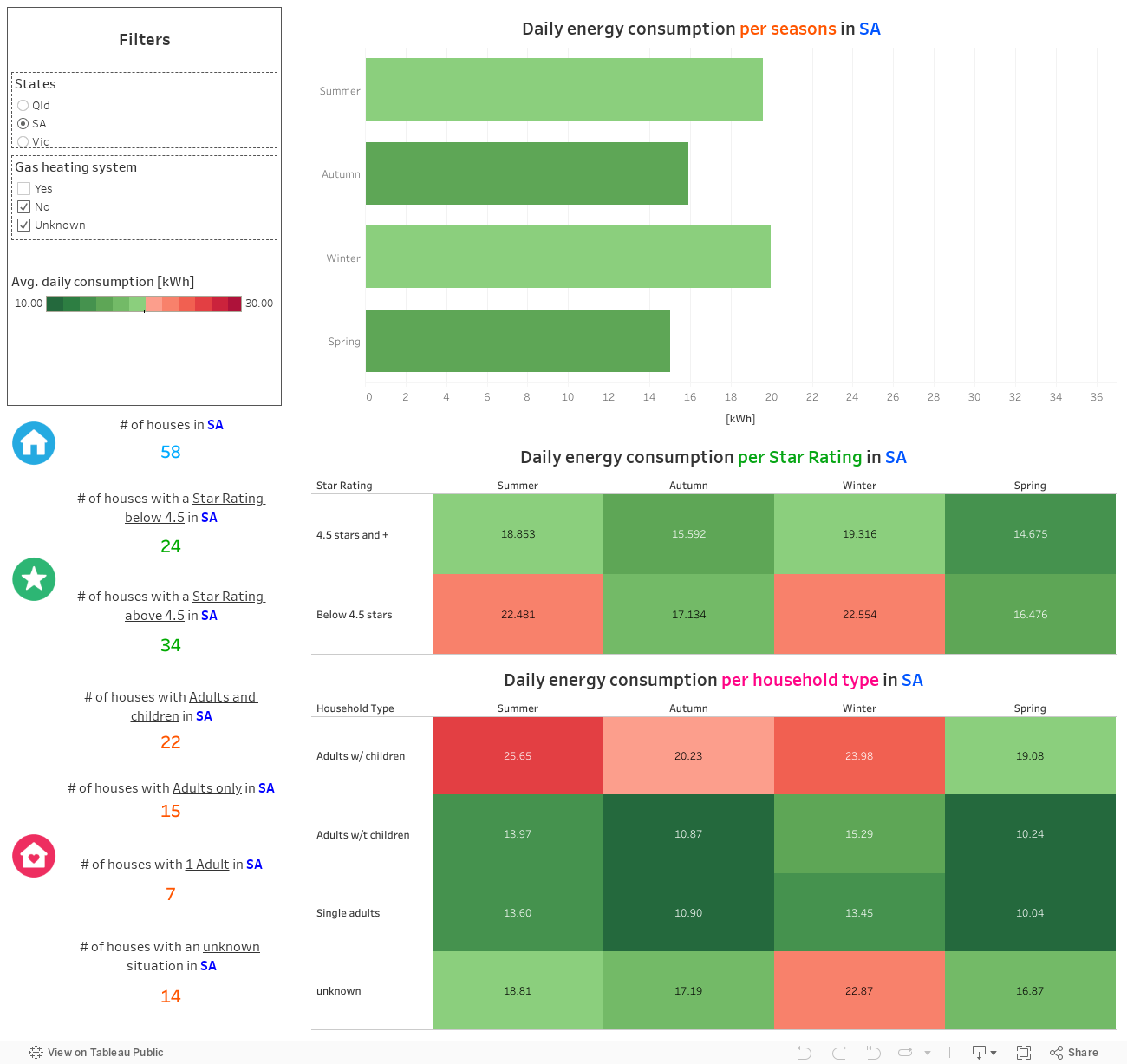
Typical House Energy Use Australian Housing Data

How Much Solar Power Do I Need To Run My Home Positronic Solar

Commercial Solar Packages 100 Kw Solar Panel System Kit U R Energy Solar Solar Panel System Solar Projects

How Much Energy Does The Average Swimming Pool Use Pooled Energy

How Is Solar Energy Produced A Step By Step Guide How Solar Energy Works Solar Power System Solar Module

Residential Solar Packages 4 Kw Solar Panel System Kit U R Energy Solar Panels Best Solar Panels Residential Solar

Rooftop Solar Panel Inverters Water Pump Solar Epc Gujarat India U R Energy Solar Power House What Is Solar Energy Solar

How Many Solar Panels Are Needed To Power A House Solar Power Australia Solar Panels Solar Solar Power Panels
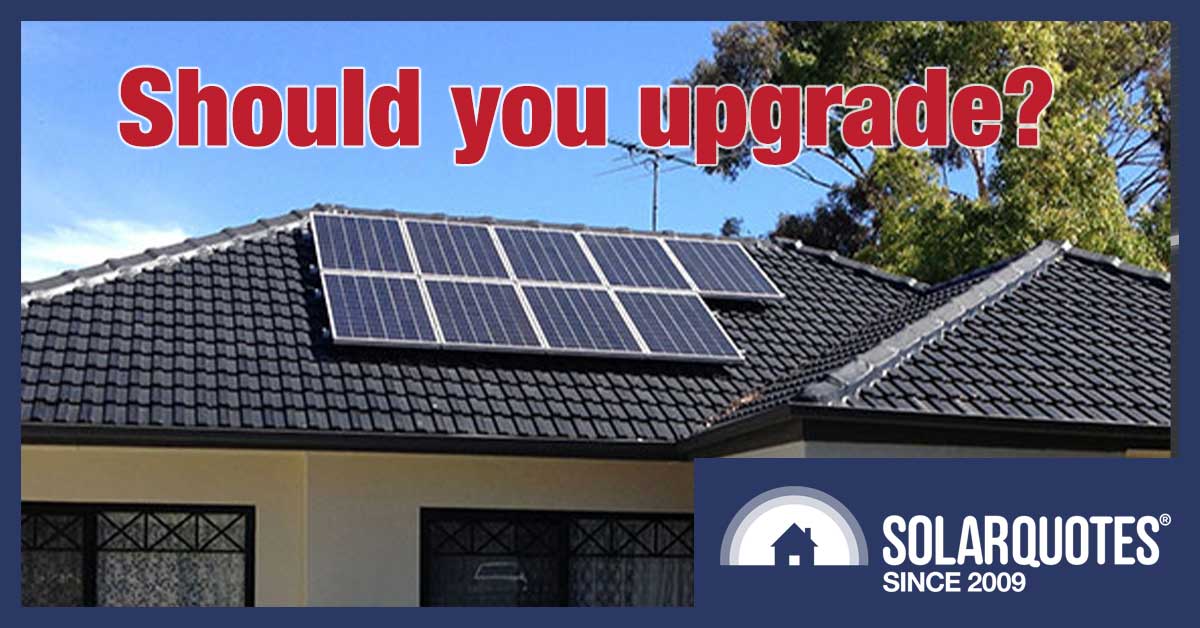
Should You Upgrade Replace Your 1 5kw Solar System

How Much Power Is Needed To Run An Average Home Platinum Electricians

Home Energy Consumption Versus Solar Pv Generation Solar Choice
4 Bedroom Shipping Container Home Full Concept Permit House Plans 2 Bed 4 Bathroom Container House Shipping Container House Plans Container House Plans

Commercial Solar Packages 50 Kw Solar Panel System Kit U R Energy Solar Power Source Solar Solar Panels

How Much Electricity Does An Australian Home Use

How Much Power Is Needed To Run An Average Home Platinum Electricians
Lowfastfamous Low Fast Famous Holden Muscle Cars Australian Muscle Cars Aussie Muscle Cars
What Is The Power Used For Houses Quora
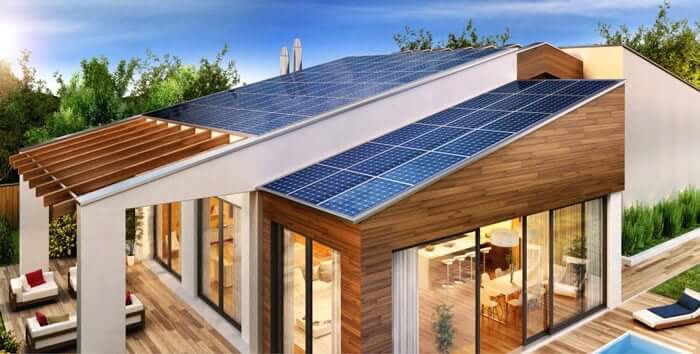
What Can A 3kw Solar System Run Home Size What Appliances

Power Bright 12 Volt Dc To Ac 6000 Watt Power Inverter Pw6000 12 Power Inverter Power Inverters Ac Power